
ScienceUnits do more than label measurements. They can reveal mistakes in calculations, constrain possible equations, and help turn incomplete information into a useful estimate. Here is how dimensional analysis works—and where it stops.
Read article · 4 min↗

SciencePeer review asks specialists to assess a research manuscript before publication. Learn what reviewers examine, how authors respond, and why publication is a starting point for evaluating a finding rather than a guarantee that it is correct.
Read article · 4 min↗

ScienceA scientific model is a simplified representation of a system, not a perfect copy of it. Learn why researchers make assumptions, how they test predictions, and why a model can be useful even when it has clear limits.
Read article · 3 min↗
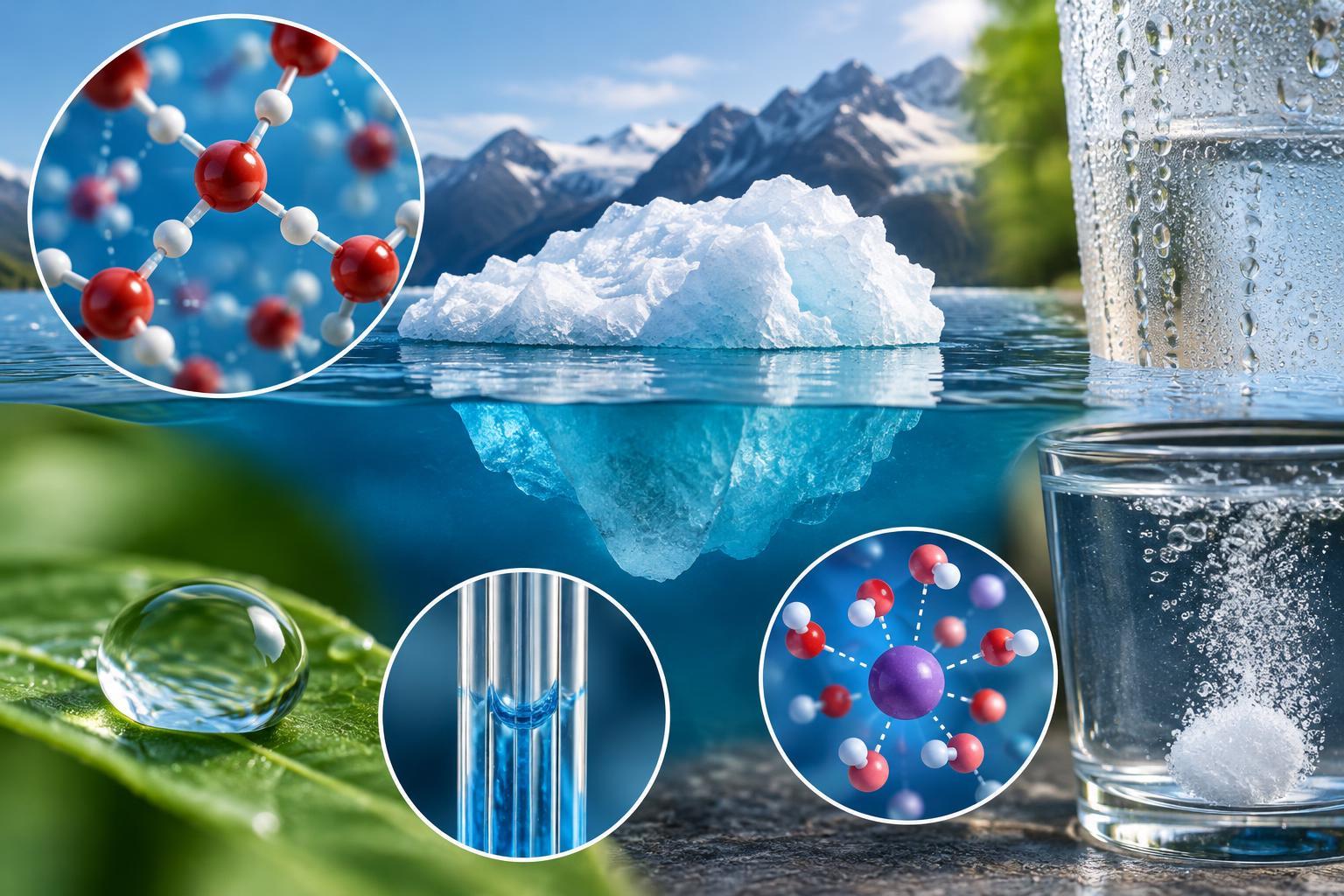
ScienceWater’s familiar properties have an unusual molecular foundation. Discover how hydrogen bonds help explain floating ice, slow temperature changes, evaporative cooling, and the behavior of droplets—and where other forces enter the picture.
Read article · 4 min↗
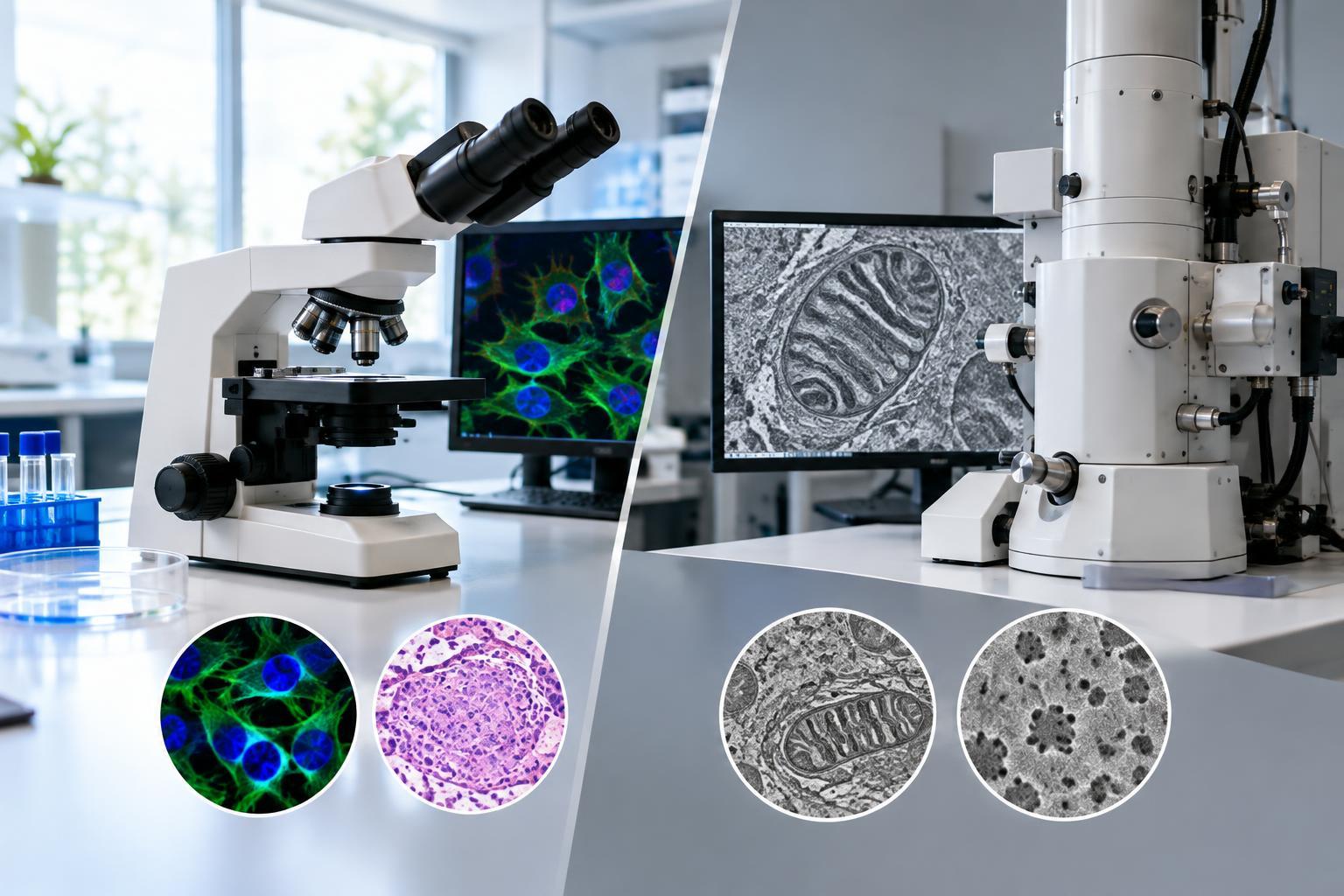
ScienceChoosing a microscope is about more than magnification. Learn how resolution, sample preparation, molecular specificity, and research goals determine whether light microscopy, electron microscopy, or a combination is the better fit.
Read article · 4 min↗

ScienceCounting species is only the beginning of measuring biodiversity. Learn how scientists assess richness and evenness, choose sampling methods, and avoid misleading comparisons between habitats.
Read article · 4 min↗
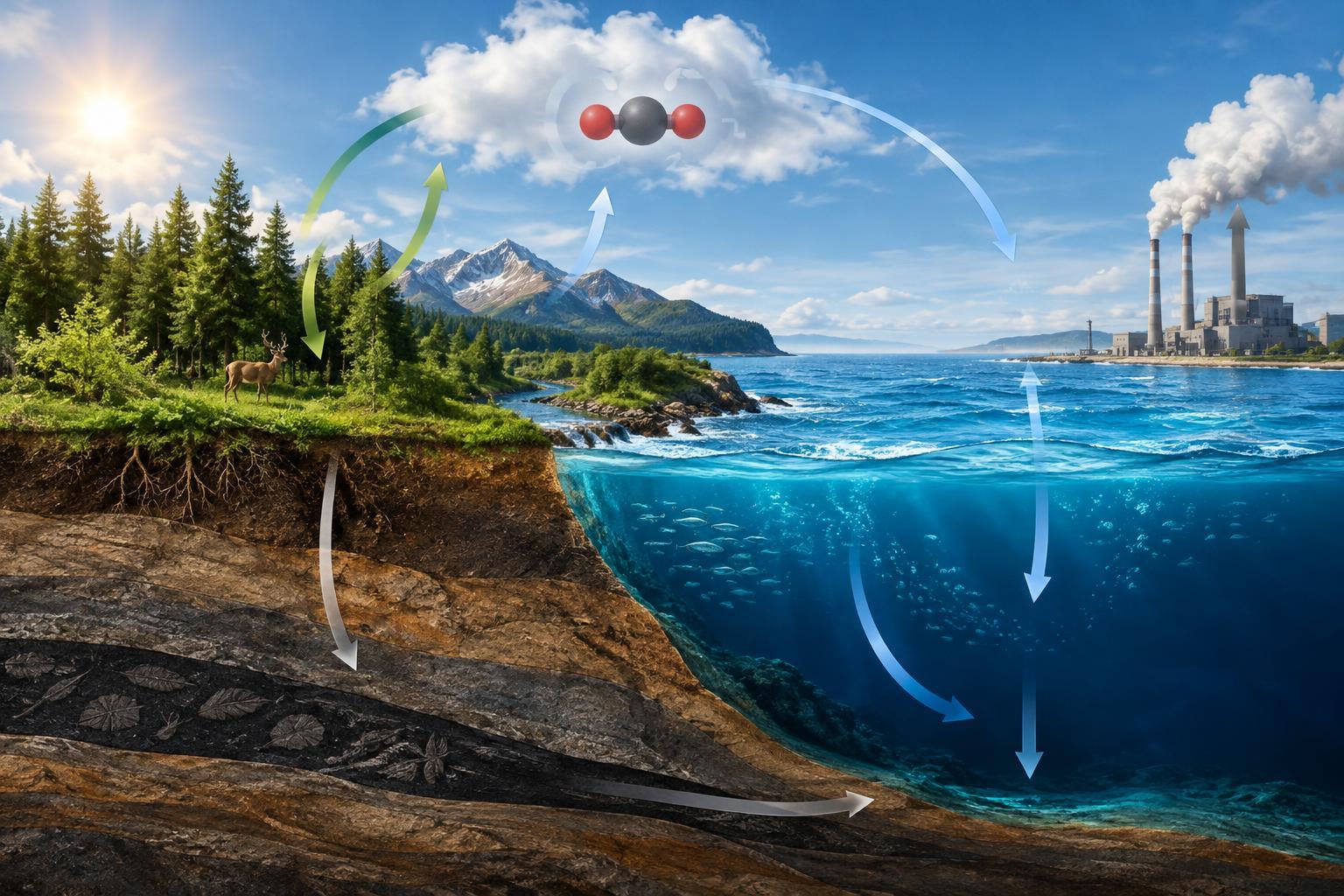
ScienceCarbon moves continually through the atmosphere, oceans, living organisms, soils, and rocks. Understanding where it is stored, how it travels, and how human activities alter those flows helps explain climate change, ocean acidification, and the limits of natural carbon removal.
Read article · 4 min↗

ScienceA cold week does not overturn a warming trend, and one hot afternoon cannot establish it. Understanding the difference between weather and climate helps explain how short-term swings fit within a changing climate—and how to read temperature claims more carefully.
Read article · 4 min↗
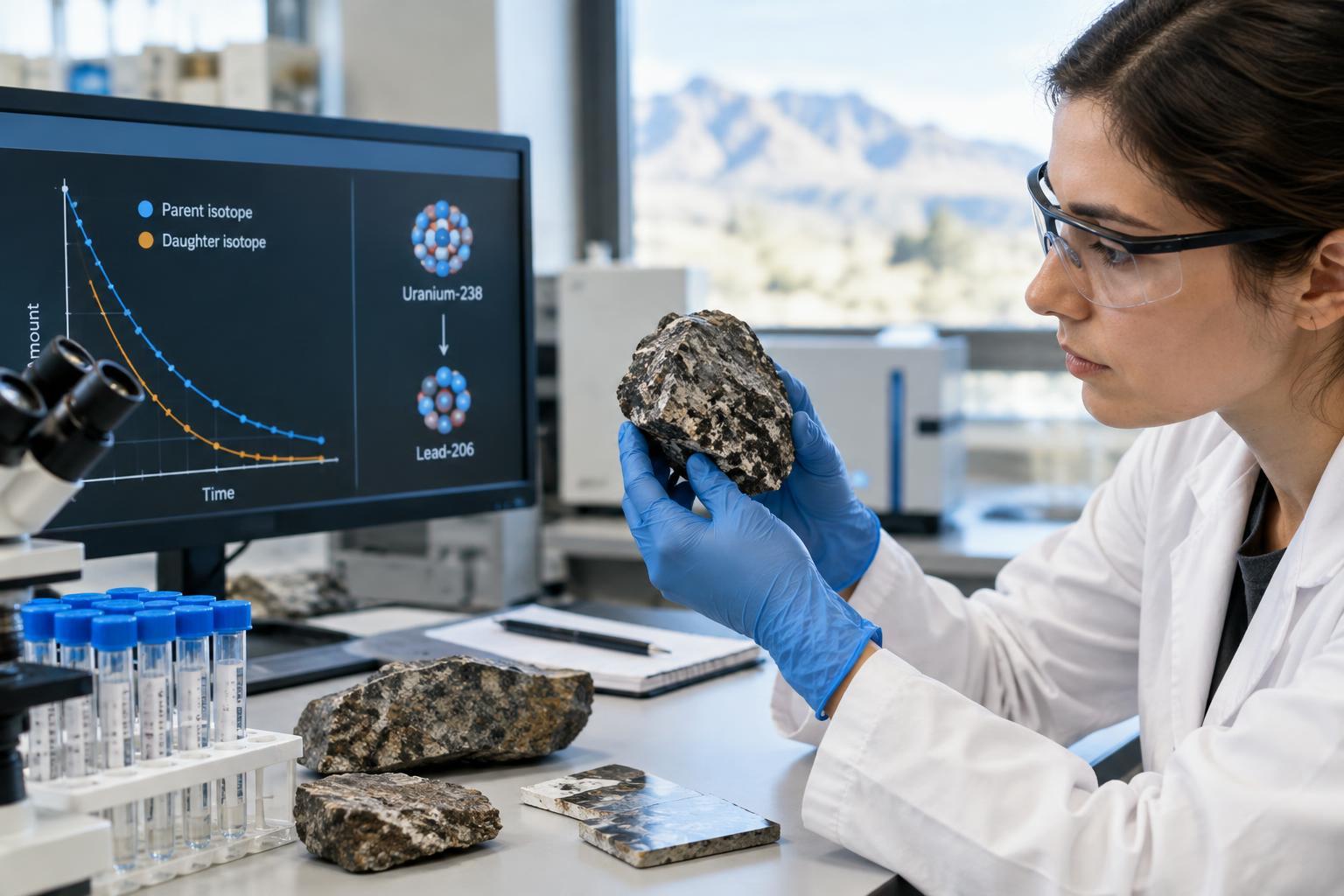
ScienceRadiometric dating turns predictable radioactive decay into a clock. Learn how half-lives and isotope ratios reveal ages, why different materials need different methods, and how scientists check whether a sample has preserved a reliable record.
Read article · 4 min↗
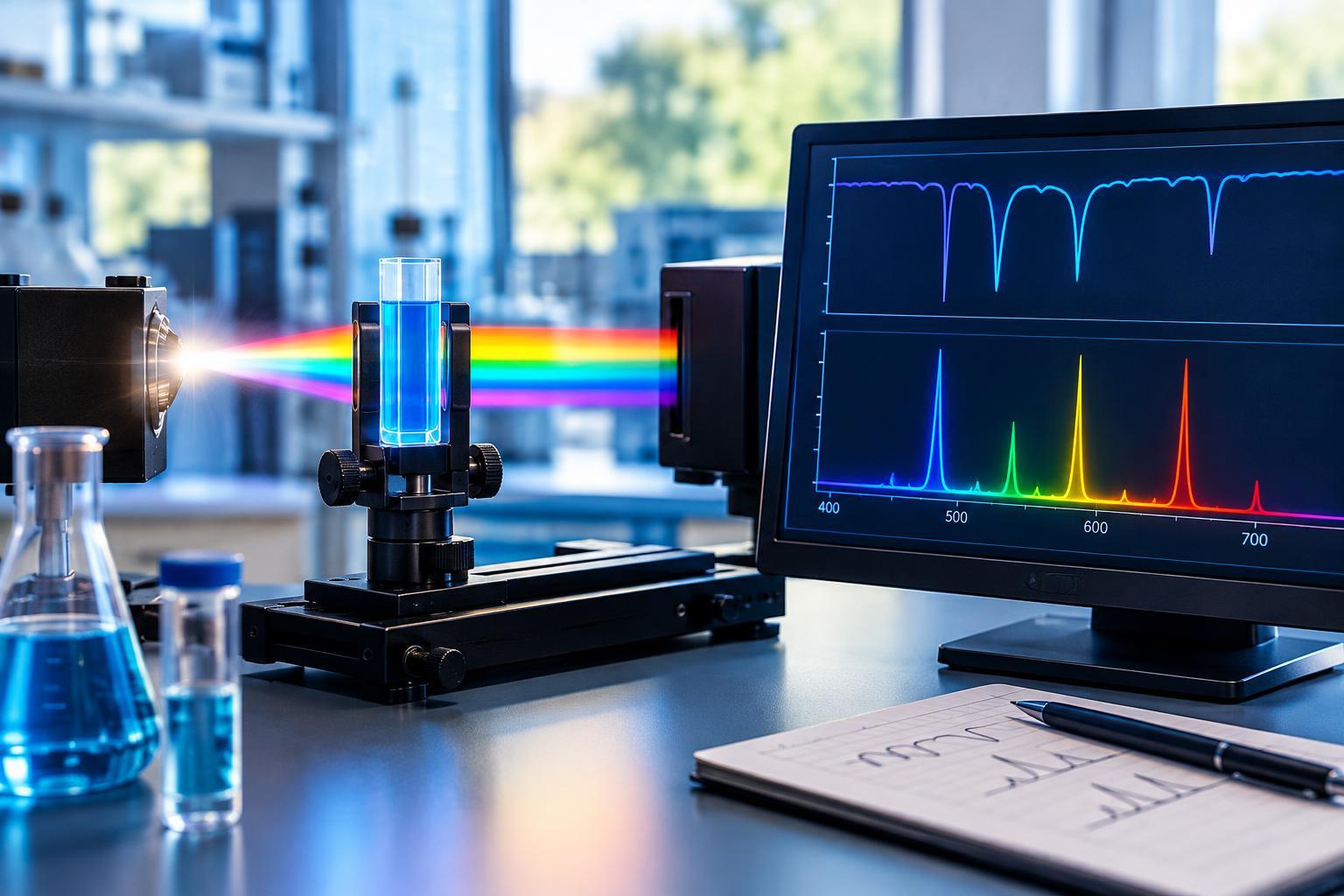
ScienceLight carries clues about the matter it encounters. Learn how absorption and emission spectra reveal atoms, molecules, and physical conditions—and how to read their peaks, dips, and patterns without overinterpreting them.
Read article · 4 min↗
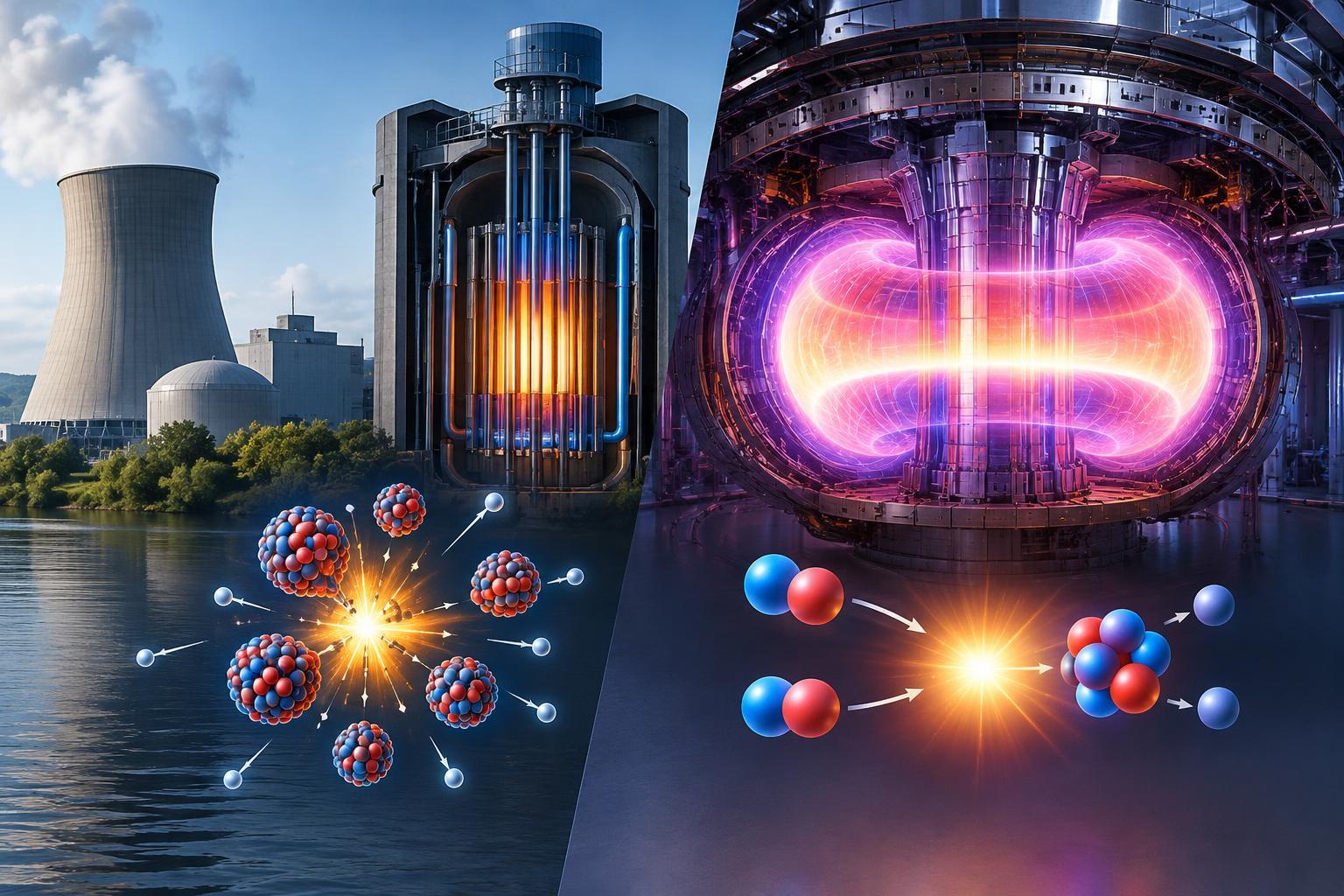
ScienceFission splits heavy nuclei; fusion combines light ones. Both can release nuclear energy, but their fuels, operating conditions, and radioactive byproducts differ substantially. Understanding those differences helps explain why fusion is not simply a cleaner version of the same reactor.
Read article · 4 min↗

ScienceSuperposition describes coherent combinations of quantum possibilities. Entanglement describes relationships between quantum systems that cannot be reduced to independent states. Understanding the difference clears up common myths about measurement, instant communication, and quantum computing.
Read article · 4 min↗

ScienceEnergy is conserved, yet not all of it remains available to do useful work. Discover how the first and second laws of thermodynamics explain cooling coffee, engines, refrigerators, and the limits of energy efficiency.
Read article · 4 min↗

ScienceVaccines give the immune system a preview of a threat. Discover how antibodies, memory B cells, and T cells work together, why protection can change over time, and how boosters can strengthen an existing immune response.
Read article · 4 min↗
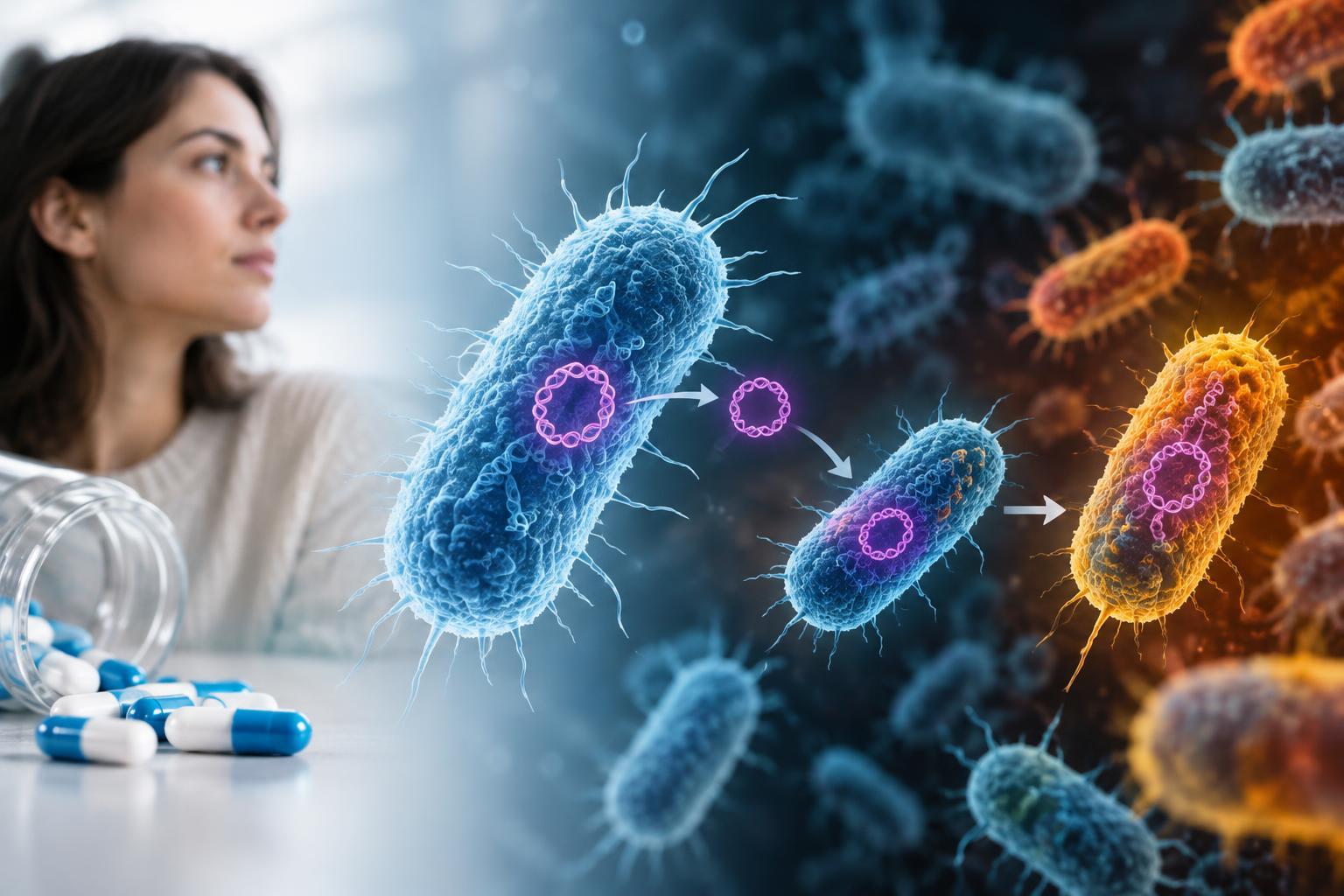
ScienceAntibiotic resistance is an evolutionary change in bacteria, not a sign that a person’s body has become used to treatment. Understanding mutation, natural selection and gene sharing explains how resistance emerges—and why it can affect people who have rarely taken antibiotics.
Read article · 4 min↗
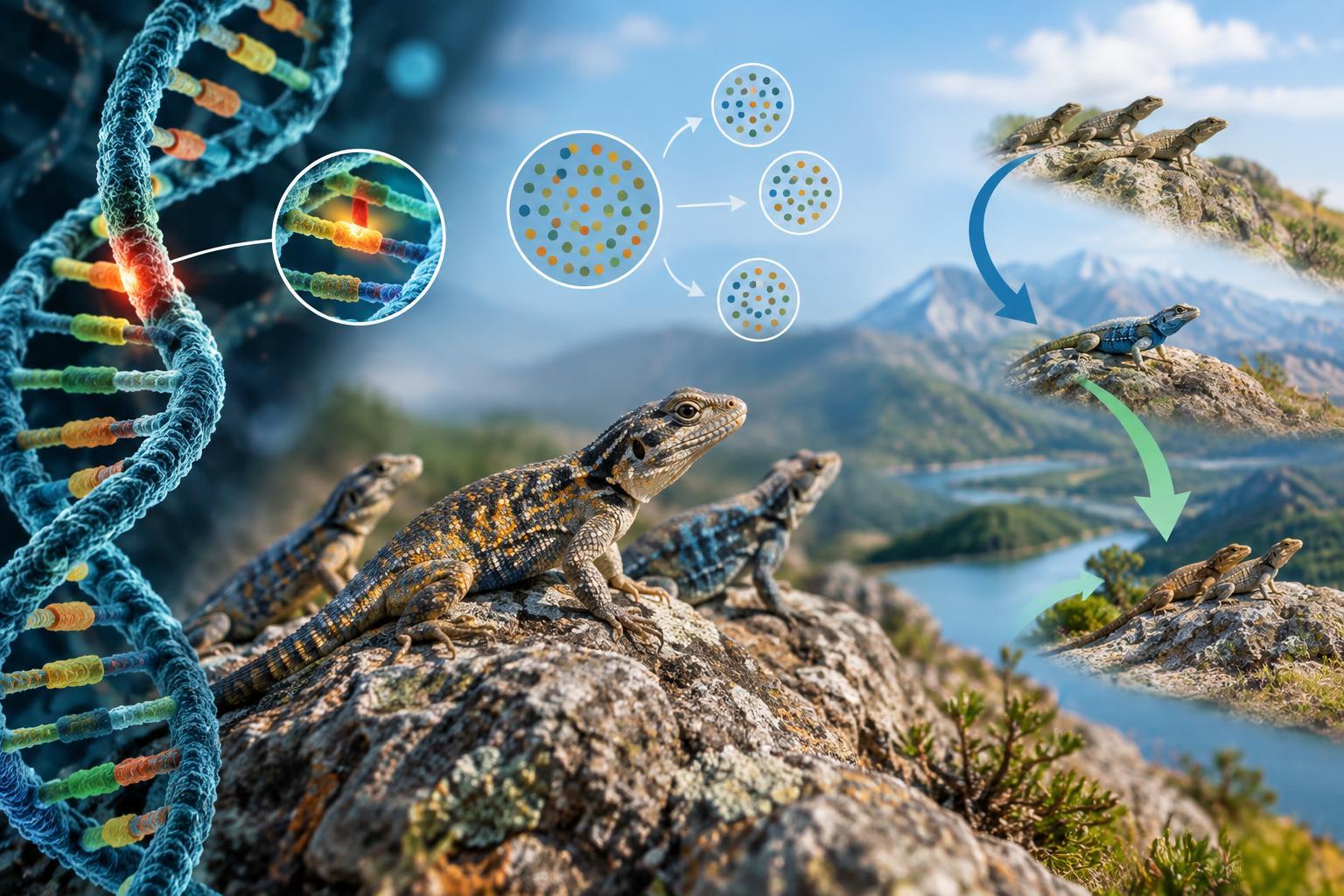
ScienceNatural selection is only part of evolution. Mutation creates genetic variation, genetic drift changes its frequency through chance, and gene flow moves it between populations. Understanding these processes explains why evolutionary change does not always produce better-adapted organisms.
Read article · 4 min↗
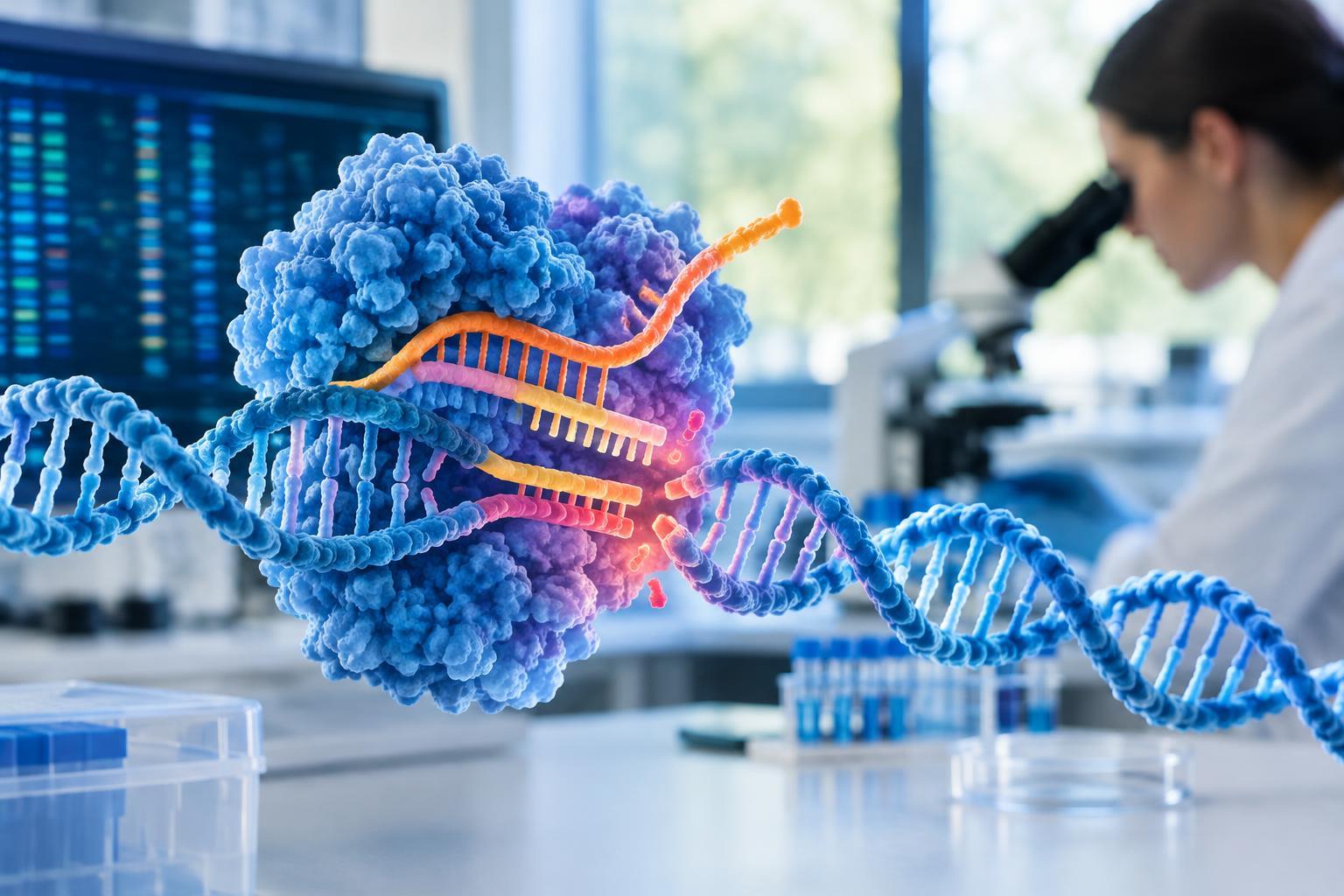
ScienceCRISPR can direct molecular tools to specific DNA sequences, but finding a target is only the beginning. Learn how guide RNAs, DNA-cutting enzymes, and cellular repair systems interact—and why the final edit is not always predictable.
Read article · 4 min↗
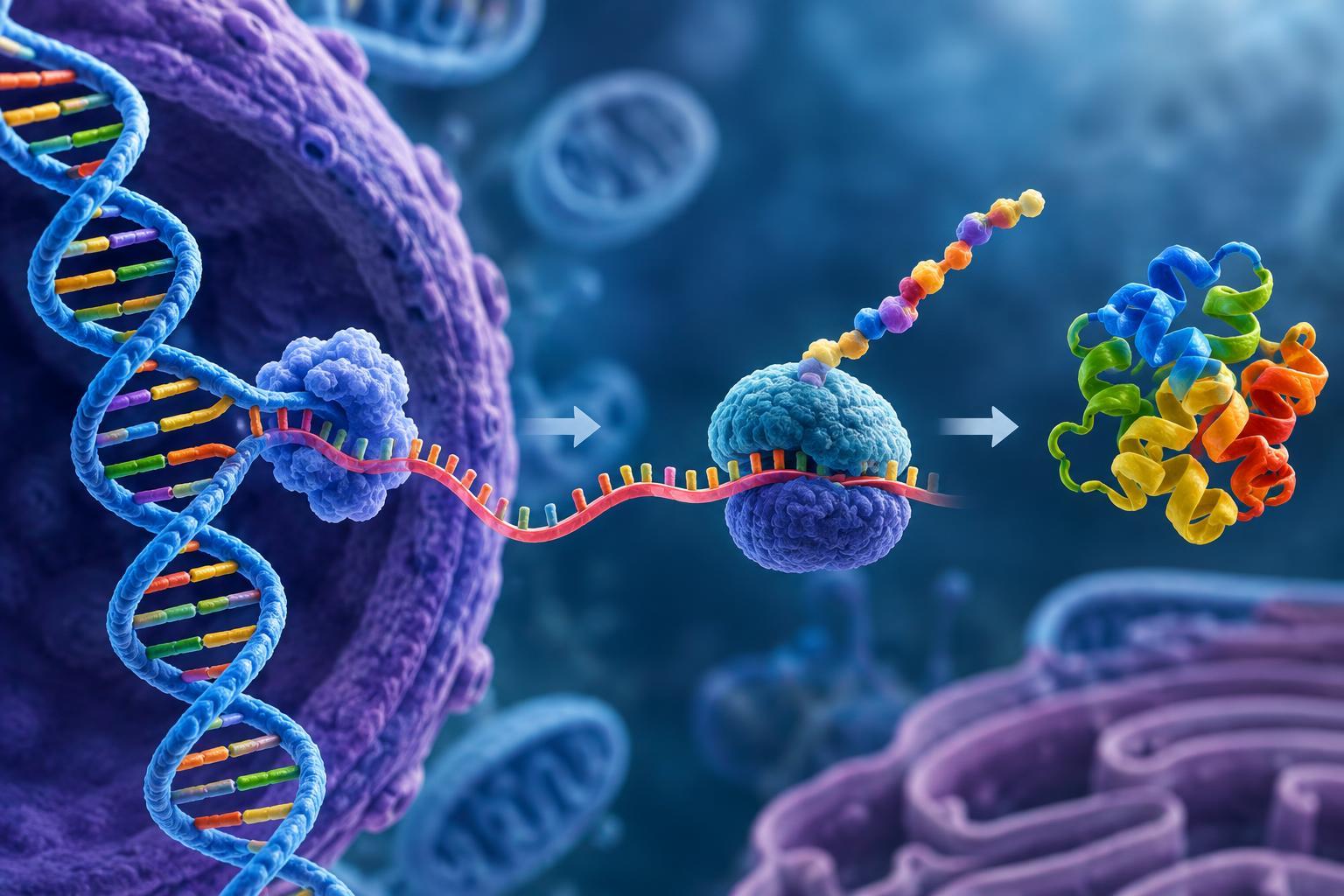
ScienceCells do not use every gene at once. Through gene expression, they copy selected DNA sequences into RNA and, in many cases, translate that RNA into proteins. Understanding this process explains how cells with largely the same genome can perform remarkably different jobs.
Read article · 4 min↗

ScienceIndividual studies rarely tell the whole story. Systematic reviews and meta-analyses help scientists compare findings, estimate effects, and understand uncertainty—but their reliability depends on how the evidence is collected and evaluated.
Read article · 4 min↗

ScienceA scientific finding becomes more useful when others can check how it was produced and test whether it appears again. Replication and reproducibility support that process in different ways—and neither is a simple pass-or-fail test of truth.
Read article · 4 min↗
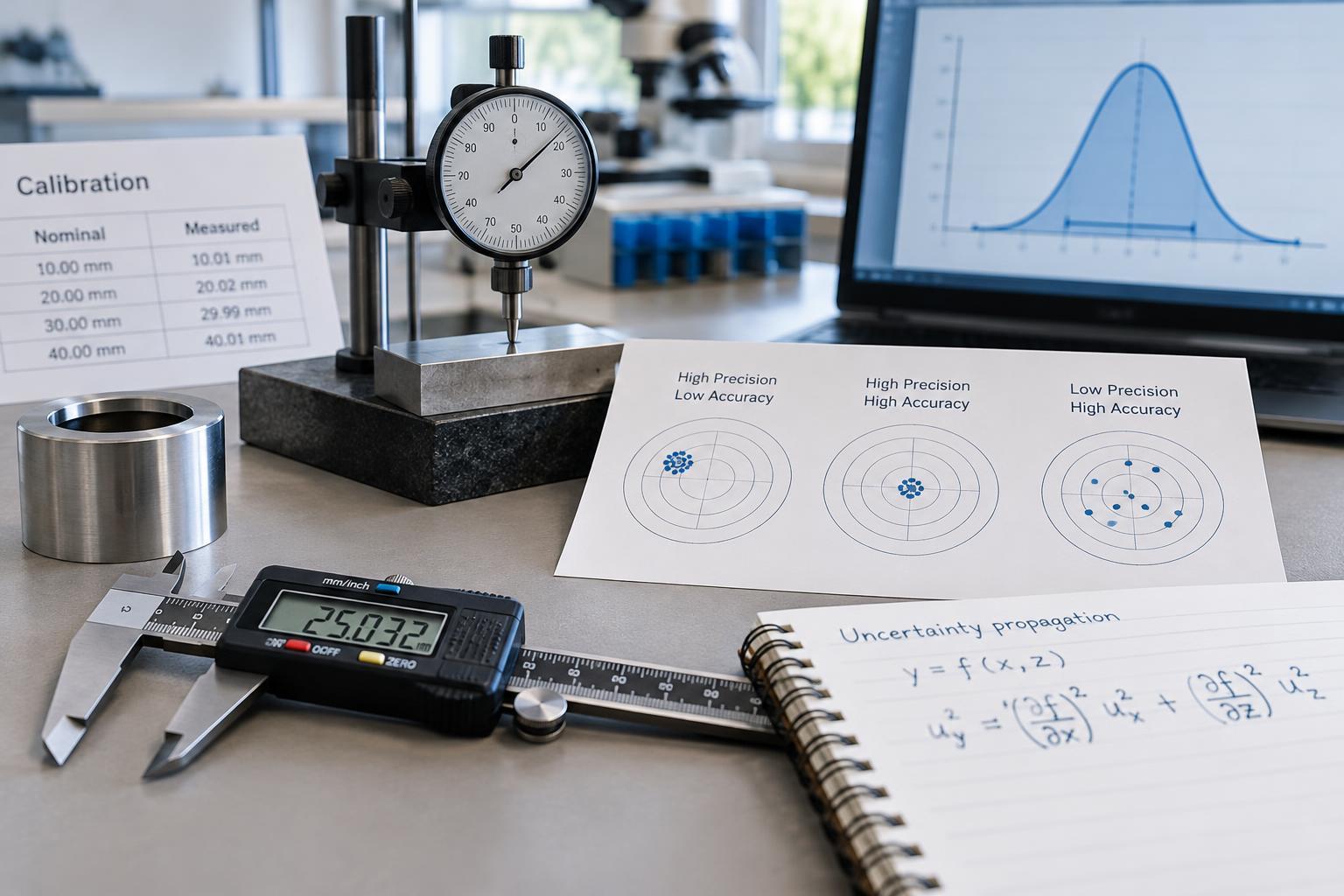
ScienceEvery measurement carries uncertainty. Learn how precision differs from accuracy, what calibration actually establishes, and how uncertainty travels through calculations—so you can interpret scientific results without mistaking extra decimal places for stronger evidence.
Read article · 4 min↗

ScienceA statistically significant result is not automatically a meaningful discovery. Learn what p-values measure, why effect sizes and uncertainty matter, and how to avoid common mistakes when interpreting scientific findings.
Read article · 4 min↗

ScienceA relationship between two variables can be real without being causal. Learn how confounding factors, reverse causation, and different study designs shape what scientific evidence can tell us.
Read article · 4 min↗

ScienceA well-designed experiment helps separate cause and effect from coincidence. Learn how to define variables, choose a control group, randomize assignments, reduce bias through blinding, and plan measurements before collecting data.
Read article · 4 min↗