
NewsA technology headline may call a product, experiment, or achievement a “first.” That word can be meaningful, but only if its scope is clear. Learn how to identify what was actually achieved, what conditions apply, and whether the milestone matters beyond the headline.
Read article · 4 min↗

NewsAn outage report can tell you that a service is unavailable without yet explaining why. Learn how to separate observed symptoms from suspected causes, assess the scope of a disruption, and decide which updates matter.
Read article · 3 min↗

NewsA pilot can show that a technology works under limited conditions without proving it is ready for widespread use. Learn how to assess the scope, results, and unanswered questions behind pilot-program headlines.
Read article · 4 min↗

NewsHeadlines about AI adoption, workplace automation, and consumer trust often rely on surveys. Learn how to assess who answered, what they were asked, and whether the findings justify the headline.
Read article · 4 min↗

NewsA fresh social post does not always contain fresh news. Learn how to check publication dates, interpret updates, trace recycled images, and recover the context that headlines and screenshots can leave out.
Read article · 4 min↗

NewsA useful technology news feed should help you understand what matters without demanding constant attention. Combine a selective source list, organized RSS subscriptions, and narrow alerts to follow important developments while filtering out repetition and hype.
Read article · 4 min↗

NewsTechnology reporting helps people understand products, companies and scientific change. But ownership, advertising and other financial relationships can influence what receives attention and how stories are framed. Here is how to recognize those pressures without assuming every commercial connection undermines the journalism.
Read article · 4 min↗
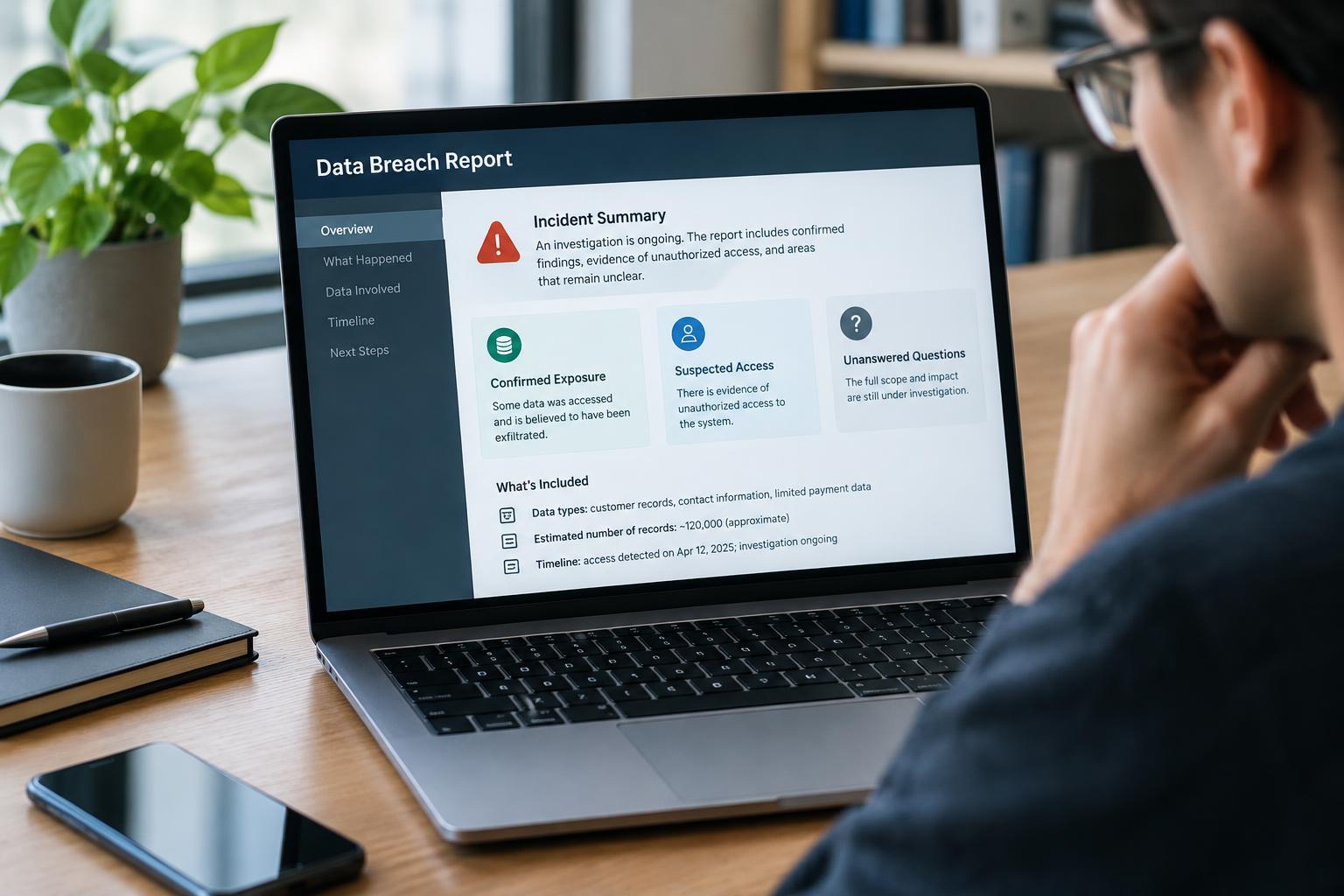
NewsA breach headline can hide important distinctions between exposed information, evidence of unauthorized access, and confirmed data theft. Learn how to read incident reports, evaluate uncertainty, and identify the details that matter for your next steps.
Read article · 4 min↗

NewsTechnology coverage often mixes verified developments, forecasts, and imagined futures. Learn how to distinguish these claims, evaluate their evidence, and recognize when a headline turns possibility into apparent certainty.
Read article · 4 min↗

NewsA story appearing on several news websites can look well confirmed, but those articles may all trace back to the same report. Learn how syndication works, how to spot shared sourcing, and what genuinely independent reporting adds.
Read article · 4 min↗

NewsA genuine image can still tell a false story when paired with the wrong caption. Learn how to check a news photo or video’s origin, location, timing and context before sharing it.
Read article · 4 min↗

NewsAnonymous sources can reveal information that would otherwise remain hidden, but their credibility is harder for readers to assess. Learn how to interpret attribution, distinguish access from expertise, and recognize what a report has—and has not—established.
Read article · 4 min↗

NewsA rate rising from 4% to 5% has increased by one percentage point, but by 25% in relative terms. Learn how to distinguish these measures, check the baseline, and interpret business headlines without being misled by dramatic-looking numbers.
Read article · 4 min↗

NewsA chart can use accurate numbers and still create a misleading impression. Learn how to check axes, identify missing baselines, spot selective time frames, and decide whether a headline matches the evidence.
Read article · 4 min↗

NewsA merger announcement is only one step in a transaction. Learn how to distinguish proposed deals, regulatory reviews, shareholder votes, and completed acquisitions—and understand what each milestone actually tells you.
Read article · 4 min↗

NewsA launch headline does not always mean a product is ready to buy or use. Learn how to distinguish announcements, demonstrations, previews, and genuine availability—and which questions reveal what a new technology can actually deliver.
Read article · 4 min↗

NewsA technology regulation headline may describe an early proposal, a newly adopted law, or rules that already apply. Learn how to distinguish these stages, interpret key dates, and understand what a regulatory development actually changes.
Read article · 4 min↗

NewsA preprint can share important findings before formal review, while a peer-reviewed paper can still contain errors. Understanding publication status helps you judge science headlines without treating early results as settled facts—or dismissing them outright.
Read article · 4 min↗

NewsA headline can be technically defensible and still leave you with an exaggerated impression. Learn how to compare its wording with the underlying evidence, spot missing context, and distinguish a promising result from an established conclusion.
Read article · 4 min↗

NewsSponsored technology stories can look much like independent reporting. Learn how to spot disclosure labels, distinguish advertising from other commercial relationships, and evaluate product claims before trusting or sharing an article.
Read article · 4 min↗

NewsNews stories can change because new facts emerge—or because the original reporting was wrong. Understanding corrections, updates, clarifications, and retractions helps readers judge what changed, why it matters, and whether a newsroom is taking responsibility.
Read article · 4 min↗

NewsWhen several outlets publish the same technology announcement within minutes, an embargo may be behind the timing. Here is how embargoes and exclusives work, why companies and journalists use them, and what readers should look for beyond the synchronized headlines.
Read article · 4 min↗

NewsA striking technology headline can pass through press releases, news reports and social posts before reaching you. Follow a practical method for finding the underlying evidence, checking what it actually supports and recognizing when the trail runs cold.
Read article · 4 min↗

NewsReporting establishes what happened, analysis explains what it may mean, and opinion argues for a viewpoint. Learn how to recognize each format, spot blurred boundaries, and assess technology and business coverage more confidently.
Read article · 4 min↗